Low Water Pressure in Fitzgibbon
Weak flow at the taps is what turns a search for low water pressure Fitzgibbon into a phone call. Three causes cover nearly every case: the street supply, a valve on the owner's side, or a leak somewhere under the house.
If we're late, $100 comes off your bill

- Licensed and InsuredEvery job done by a licensed plumber. QBCC No: 15024607
- Fixed Quote FirstFlat-rate pricing, agreed before any work starts
- Lifetime Labour WarrantyBacked by our Fix-It-or-It's-Free guarantee (T&Cs apply)
- $0 Call-Out FeesNo extra charge for nights, weekends or public holidays
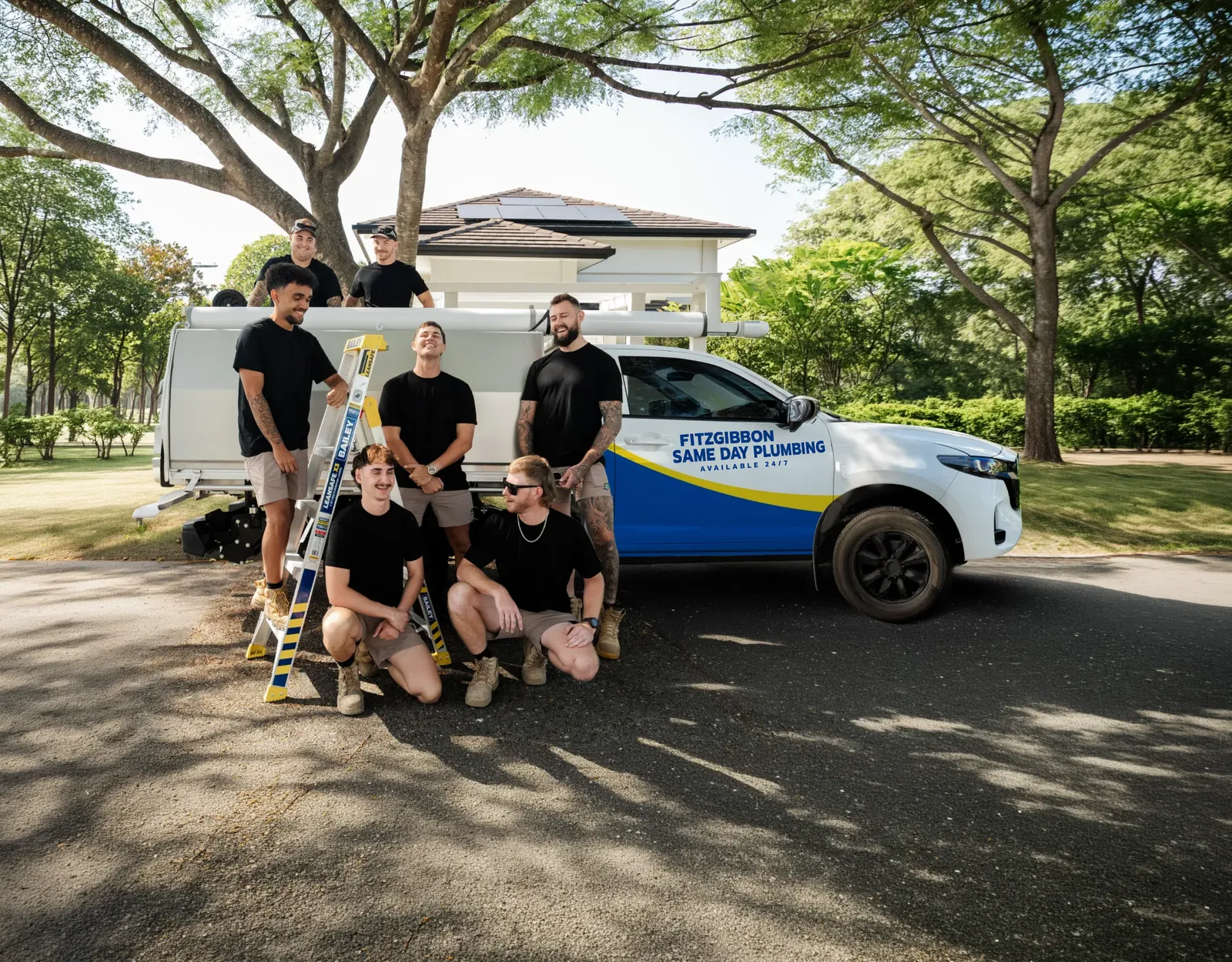
A licensed plumber sorts which one it is in a single visit. Low pressure is a booked job rather than an emergency, unless the cause turns out to be water where it shouldn't be. Ring (07) 3523 6417 either way, and we'll come same-day where we can.
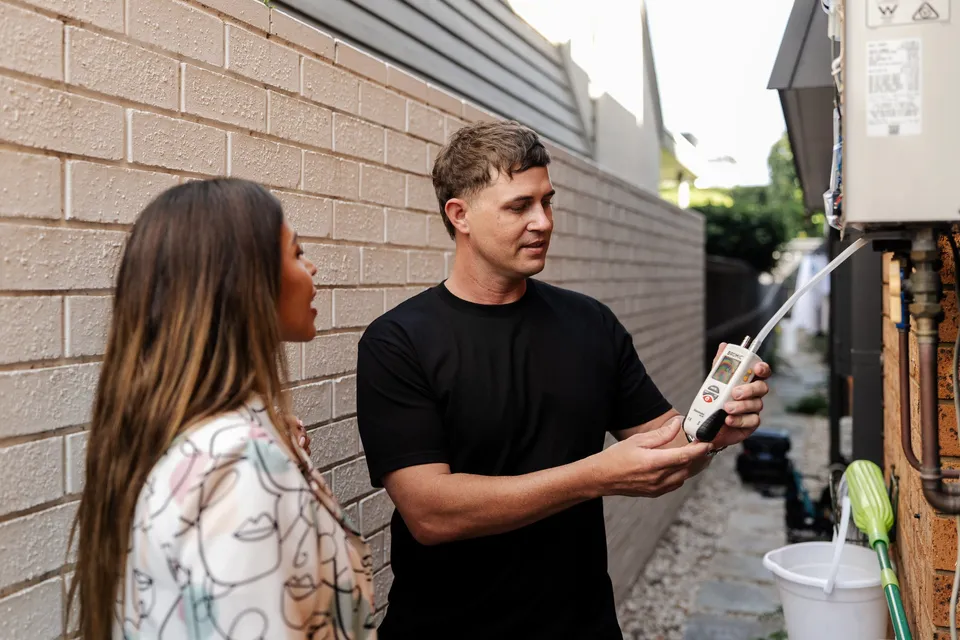
Street Supply or Your Own Pipes
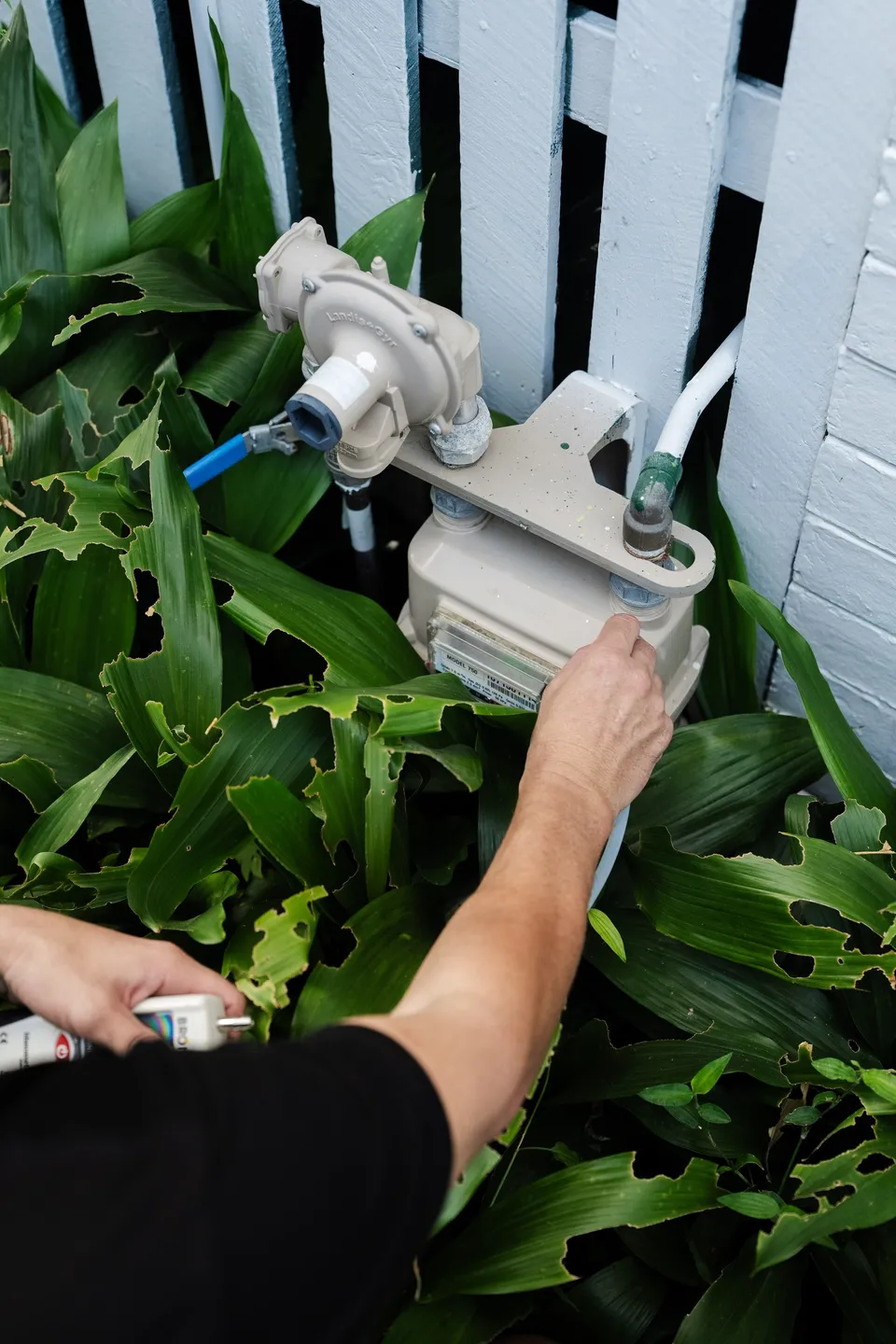
The whole street's problem belongs to Urban Utilities, while a single home's problem usually belongs to that home's owner. The water meter draws the line between the two.
Utility side
Urban Utilities owns the pipe running from the water main to your meter, and the meter itself. No owner may touch any of it.
Owner side
your side of that line, out onto the property and down to every tap, is yours to maintain.
The figures
Urban Utilities commits to no less than 210 kPa at each customer's meter, and runs its network to a 550 kPa design maximum. Readings past that ceiling do happen, mostly in low-lying suburbs.
Height matters too. Mains pressure drops as a house sits higher, so a home on a rise gets less than one on low ground, and the same suburb can hold both. Ask one neighbour before anyone gets called: their answer splits street from house faster than any tool.
For faults past the meter, our water pipe repairs page sets out how we trace them.
Stop Tap, Valve, Scale, Leaks and Old Pipes
House-side cases come down to five causes: a stop tap not fully wound open, a worn pressure limiting valve, scale at one fixture, a hidden leak, or corroded old pipe. One weak tap points at that fixture, while weak flow everywhere points at the supply pipework.
A stop tap partly closed
chokes the whole house. Checking yours is a safe first look for any owner.
A failing pressure limiting valve
can restrict flow just as easily as it stops holding pressure down, so one worn part produces either problem.
Scale or a blockage
shows up at a single tap or shower head while the rest run normally.
A hidden leak
lowers whatever reaches the taps. The leak detection page explains the meter test that proves one.
Old galvanised steel
narrows inside with age, and a narrowed run starves every tap on it. Replacing that run is the lasting fix.

Why High Pressure Wears Out Pipes and Fittings
Pressure runs too high as often as it runs too low, and the fittings pay for it. High pressure sits among the usual causes of leaks and burst pipes, alongside wear, corrosion and ground movement.
Three signs give it away:
Very strong flow
at the taps, hard to soften to a comfortable stream.
Noisy pipes
whenever more than one tap runs.
Fittings that fail early
, from tap washers to flexi hoses and mixer cartridges.
The fix suits a plumber. We test the pressure at a tap, then adjust or swap the valve that limits it, so the pipework stops wearing itself out.
Testing and Replacing a Limiting Valve
A pressure limiting valve is a valve on the incoming water supply that holds the pressure inside the house to one set figure. Everything behind it, the pipes, the taps and the appliances, lasts longer for that ceiling.
Because the valve sits after the meter with the rest of your fittings, you own it and arrange its servicing. A worn one can choke flow or stop holding pressure down, which is why this single part appears on both sides of the story above.
The QBCC keeps its list of unregulated plumbing jobs short. Owners may swap a shower head, replace a drinking-water filter cartridge, change a tap washer or jumper valve, fit cistern washers, and do basic unskilled tasks such as digging a trench.
A pressure limiting valve is not on that list. Testing, adjusting and replacing one is regulated plumbing work, so it needs a licensed plumber.

Why Newer Homes Notice It First
At the last census this suburb held 2,533 dwellings, with another 425 approved in the five years before, so nearly every line here is young and builder-fitted. Young pipes have fewer excuses: when flow drops, the cause is usually a valve or a leak rather than age.
One estate habit carries weight here. Braided flexible hoses sit behind basins, loos and washing machines across the post-2000 stock, and a split one upstairs can pour into the ceiling below without anyone noticing. A ceiling stain plus soft flow at the taps downstairs tells that exact story.
The filled ground plays its part too. Old fill and reactive clay settle unevenly under places like Lemke Road, and joints that open in a settled supply line leak pressure away quietly before anything bursts.
How We Test and Fix Low Pressure
- 1

Tell us what's happening
Call (07) 3523 6417 or send the form with a few details about the problem in Fitzgibbon. A clear description helps us bring the right parts.
- 2

We trace it to the source
We confirm the stop tap is fully open, compare flow across several taps, and gauge the pressure at a fitting near the meter, so the quote targets the real cause rather than a guess.
- 3
Approve a fixed price
You get a fixed quote before any work starts, with flat-rate pricing and no hidden fees. Nothing goes ahead until you say yes.
- 4

Pay when it's finished
Pay by card or EFTPOS on site once the job's done, or ask about Fix now, pay later.
Plumbing job in Fitzgibbon?
$0 call-out fees, available 24/7, and same-day where we can.
Water Pressure Questions From Fitzgibbon Homes
Call (07) 3523 6417Why did my water pressure suddenly drop?
Something changed, and three checks narrow it down. Ask a neighbour first, because weak flow next door too points to the street supply, which Urban Utilities owns. Partly closed stop taps, failing pressure limiting valves and fresh leaks on your pipes are the usual house-side culprits.
Who fixes low water pressure on my street in Fitzgibbon?
Urban Utilities, when weak flow affects the whole street, because its network stops at the meter. One affected home usually means the owner's pipes and fittings instead, and a licensed plumber handles everything past that line.
Who is responsible for the pipes and valves on my property?
You are. Urban Utilities' responsibility ends at the meter, and your side of that line, down to the taps, belongs to you. A pressure limiting valve sits on your side, so servicing it is yours to arrange.
What does a pressure limiting valve do?
The valve caps the pressure inside the house at one set figure, which protects the pipes, taps and appliances behind it. It sits past the meter among your other pipework, so you own it and a licensed plumber services it.
What water pressure should a Fitzgibbon home get?
At least 210 kPa at the meter, under Urban Utilities' minimum. The network is built to a 550 kPa design ceiling, though readings beyond that do occur, mostly in low-lying suburbs. The meter is also where your pipework begins.

Ring Us About Your Water PressureWe'll call you back.
Call (07) 3523 6417 to book a plumber in Fitzgibbon. We're available 24/7, with $0 call-out fees, flat-rate pricing and same-day where we can.
To claim your $0 call-out fee, call (07) 3523 6417 today.